Featured

Love Thy Neighbour; and their recipes – Dom Chingri Kosha

Dom Chingri Kosha

Husband and I recently moved to Kolkata hoping to spend the rest of his work years here. Having stayed in and around Assam for most of my married life, Kolkata is… new to me. Mostly intimidated by the new neighbourhood in my society, I enter my new home thinking, well, there’s always books to finish and Netflix subscription that my daughter paid for (chuckles), and probably that’s how my late 40s is going to be. One fine day, Vijoya Di rings the bell, introduces herself all thrilled and says, “Tumi carom khelo? Amader society club aache.” An instant yes, all smiles, I had made a new friend that day. One friend turns to four in no time and most of our evenings were spent beating the men in carom and TT in the clubhouse. It’s been a few months in Kolkata and although life is not the same as in Tezpur, I am gradually disarming my inhibitions and making this place my home.

This is the beautiful thing about Indian neighbours, you do not know when you become their own family – from being there in your wax and wanes, to sharing ‘dupurer maach’er jhol’ in tiffin boxes and bonding over shared recipes.

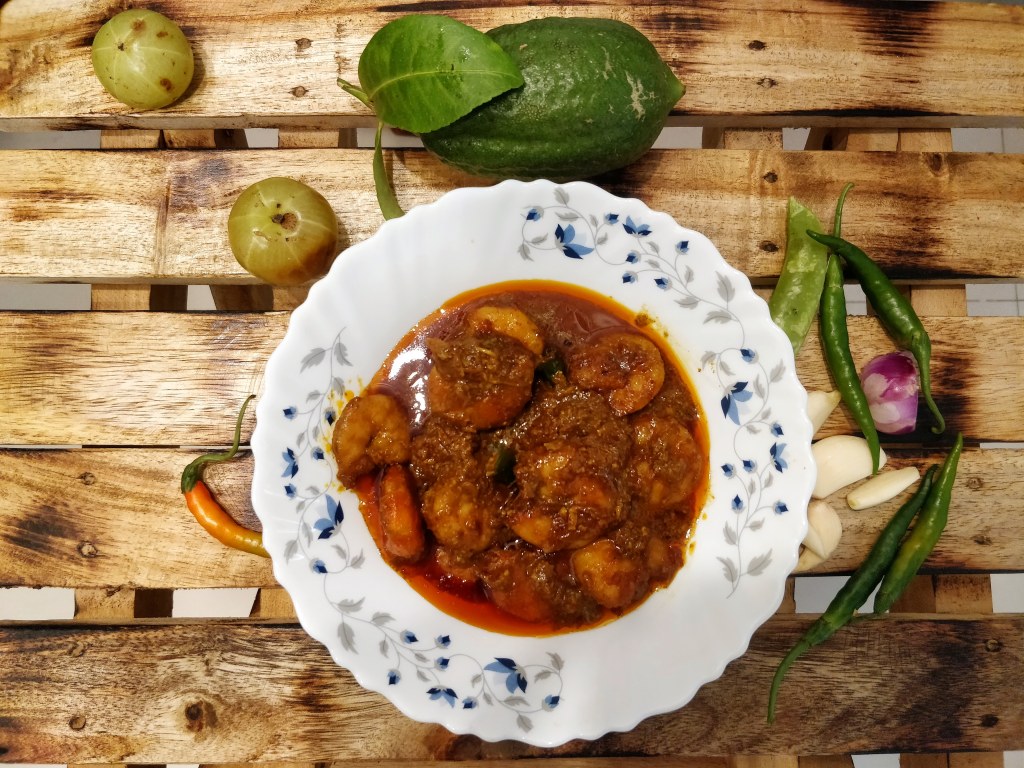
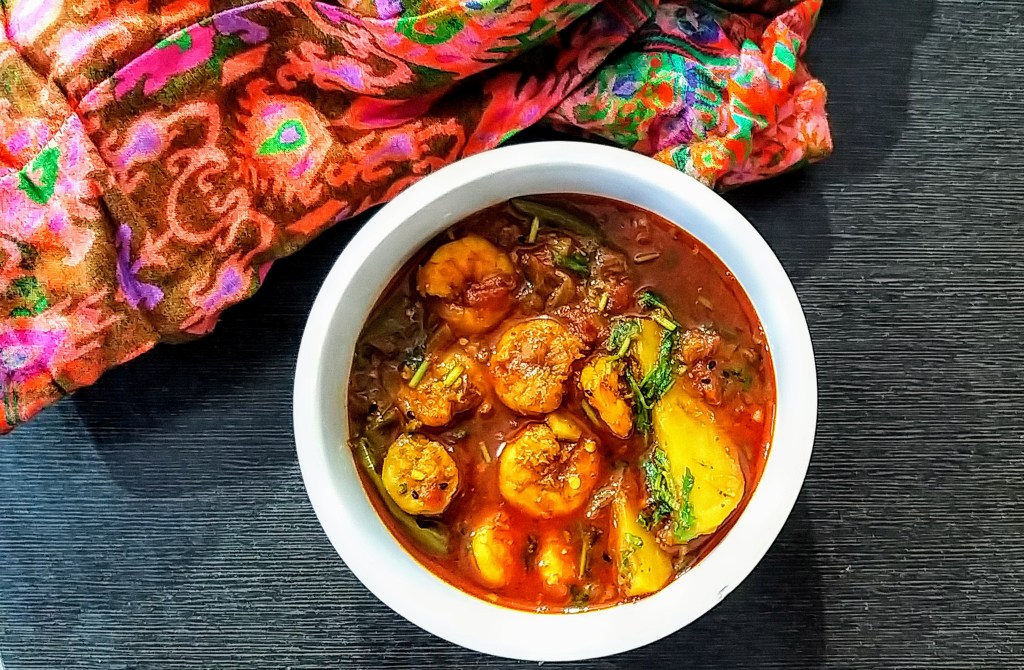
Here’s presenting you the first recipe from the blog. Lightly tossed prawns in a rich delectable gravy of caramelized onion gravy, with a smack of sourness from the curd and a peck of heat from the green chilies.

My daughter and I hope you love our simpler version of Dom Chingri Kosha!

Ingredients:

  1. Onion paste – 3 tsp (You can alternatively use 1.5 finely chopped onions)
  2. Cumin/Jeera powder – 1 tsp (Freshly pounded roasted jeera enhances the taste (and is also the cook’s secret)
  3. Coriander/Dhaniya powder – 1 tsp
  4. Red Chili Powder – 1/2 tsp (If you’re travelling to Rajasthan, buy their secret to their legendary Laal Maas – Mathania chilies; you’ll see the wonders yourself once you use ’em)
  5. Whipped Yoghurt – 5 tbsp
  6. Ginger- Garlic Paste – (2:1 ratio)
  7. Garam Masala Powder (If you’re making at home, more cardamom is always a bonus)
  8. Green chilli – 3/4 slit
  9. Salt to taste
  10. Sugar – 1 tbsp

Recipe:

  1. Marinate prawns in turmeric, salt and red chilli powder and fry them very lightly in a pan.
  2. Remove the prawns once done and temper the same oil with onion and ginger-garlic paste and sugar (helps in caramelizing the onions and adding colour to the gravy).
  3. In a bowl, mix all the spiced powder (mentioned in the ingredients together) and salt in lukewarm water to make a slurry and add them to the pan once the raw smell of the paste disappears.
  4. Wait until the oil separates from the thick gravy and then add whipped yoghurt slowly and steadily to the gravy to prevent lumps.
  5. At this point, be patient and do the ‘koshano’ i.e. wait for the gravy to release the aroma and oil oozes out from the gravy. Keep adding water from time to time to prevent the masala from burning.
  6. Once the ‘kosha’ is done, add lukewarm water and bring it to boil.
  7. At this point of time, add the green chilies and let the gravy do its work.
  8. Slide in the prawns (with the oil drippings!) into the gravy and cook for 5 mins.
  9. 4 mins into the gravy, add garam masala and let it cook for the rest of the time.
  10. Serve hot with steamed rice.

If you liked this recipe and want to see more of this mother-daughter duo, don’t forget to reach out to us at rannabaati00@gmail.com and our Instagram Handle @rannabaati by Oliva Das. We look forward to your requests and feedback!
Chattogram’er Kala Bhuna

Kala Bhuna is a delicacy from the Port City of Bangladesh called Chattogram (Chittagong). The secret to this recipe is how long you stew the mutton in its own juices: The Infamous Bhuna to achieve the “Kalo rong” (Black colour). I rummaged through numerous blogs and (insert One Eternity Later meme), came up with my own concoction of the recipe for the contest today morning. Maa added, “Use an iron wok! It will help you with the blackish colour. And no matter what they say, N.E.V.E.R add soya sauce to the recipe. It is NOT authentic!”

What do we do without mothers really?

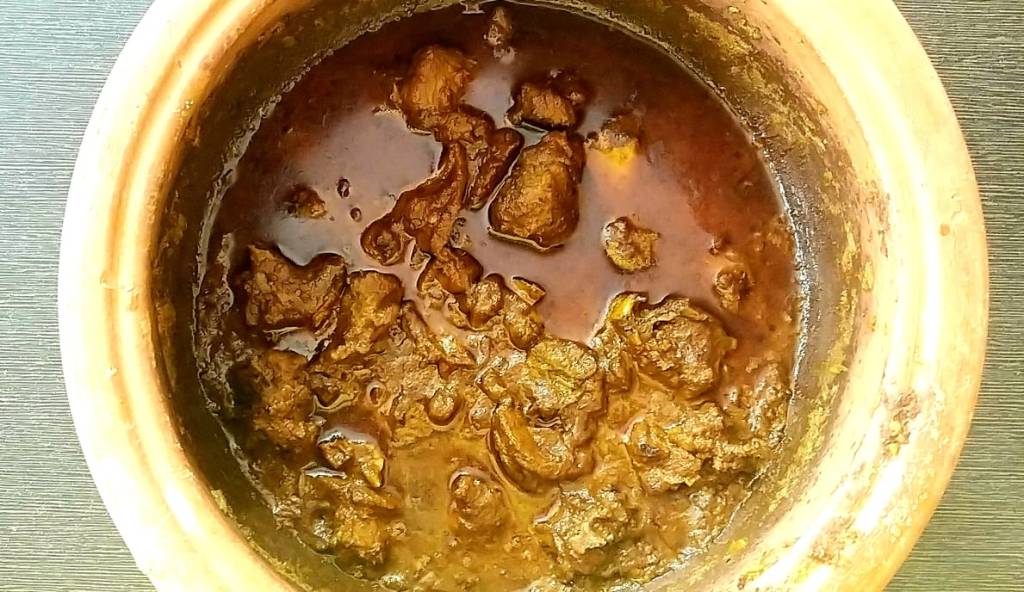
So after 2 hours of hard work and patience, here it was. Tender juicy mutton falling off the bones, cooked in its own juices, crispy onions meeting your taste buds, lovely aroma. Heaven is this!

Ingredients:

  1. Mustard Oil: 5 tbsp
  2. Mutton: 500 gms
  3. Beresta (Crispy deep-fried onions): 1 cup
  4. Crispy fried garlic: 2 tbsp
  5. Onion (cubed): 2 nos.
  6. Ginger paste: 2 tsp
  7. Garlic paste: 2 tsp
  8. Cumin powder (Roasted): 1 tbsp
  9. Coriander powder: 1 tsp
  10. Garam Masala powder (Roasted): 2 tsp
  11. Nutmeg-Mace-Black Cardamom powder: 2 tsp
  12. Radhuni powder (Crushed): 1 tsp
  13. Red Chili powder: 1 tsp
  14. Black pepper powder: 1 tsp
  15. Red chili: 3 nos
  16. Curd: 1 tbsp (Optional)
  17. Salt to taste

Recipe:

  1. Wash the mutton pieces thoroughly and take out the excess water.
  2. Add the beresta, fried garlic (keep some for garnish), ginger-garlic paste, cubed onions (keep some for later), red chili powder, roasted cumin powder, coriander powder, garam masala powder, black pepper powder, 2 tbsp mustard oil and smear the mutton with the marinade. Use your hands to marinate, it works the best!
  3. Add mustard oil to the iron wok and let it heat till the oil gets translucent in colour.
  4. Add the marinated mutton and cook it over a medium flame for 45 mins or till oil starts releasing from the sides with occasional stirring in between.
  5. Once the mutton is 80% cooked, in a pan, add mustard oil and heat it till it is smoking hot. Add rest of the cubed onions, garam masala powder, nutmeg-mace-black cardamom powder and fry for 2 mins. Add this to the mutton with the oil and mix them.
  6. Add 1 tbsp of curd and splashes of water only if required or is dry. Cover it with lid and cook for another 15-20 mins. Stir in between.
  7. Once the mutton is properly cooked, add freshly crushed radhuni and give it a hearty mix. Cook with lid on for another 10 mins.
  8. Garnish with fried onions and garlic.
  9. Serve it hot with luchi (Deep-fried puffed bread), Paratha, Basanti Pulao (Bengali-style Pulao) or Steamed Rice. Or just eat it directly from the wok and it would still taste great!

Chingri Baati Chocchori

Chingri Maach’er Baati Chocchori

You could think of a 100 ways of making prawns but I bet a good “baati chocchori” will always be on the list of Top 10 bengali comfort foods.

This low-maintenance preparation of prawns lets you get sheepishly away with very easily with a burst of taste in your mouth asking for more. The tender potato wedges, the heat of green chillies and the comforting prawn stew goes so well with steamed rice and makes for a perfect lunch while you’re prepping for your next meeting or getting your office work done.

Ingredients:

1. Paanchphoron: 1 tsp

2. Prawns: 300 gms

3. Onions: 1 nos. (Finely chopped)

4. Tomatoes: 1 nos. (Finely chopped)

5. Coriander leaves: A bunch (finely chopped)

8. Salt to taste

9. Mustard oil

10. Potatoes: 1 nos (Cut into wedges)

11. Green chillies: 4 nos. (Slit from between)

12. Turmeric: 2 tsp

13. Red chilli powder: 2 tsp

Recipe:

1. In a wide pressure cooker, drop in the onions, potatoes and prawns and fry until golden.

2. Add the tomatoes cook until they soften and appear mushy.

3. Add the turmeric and red chilli powder and mix well. Add salt.

4. Add warm water and mix everything together.

5. Seal the pressure cooker for 2-3 whistles or until done.

(Alternate option: You can also adhere to the same process in a kadhai, transfer everything to a bowl and place the bowl in a pressure cooker or wide kadhai and let it cook covered without the whistle for 10 mins. I usually follow this process but the first one is quicker)

6. Add chopped coriander leaves and enjoy with steamed rice!

The Hilsa Chronicles – Ilish Begun’er Tel Jhol

My mother, Suparna reminisces today.

“One of the earliest memories of marrying into my husband’s family is how much they loved food. My father-in-law had a peculiar style of breakfast with the influences from his British friends who kept their relationships years after the independence through handwritten letters and book exchanges; some of which I have still tugged inside the rusty bookshelves at home. A glass of milk, bread & butter and sunny-side up – his religious breakfast. The tradition would sometimes be heckled with my mother-in-law’s Sunday Luchi-Aloo’r Dom.

My late mother-in-law was a connoisseur of food; particularly choosy, the trait which I now see in my daughter. Good food, and good taste. You cannot “make-do” or just have a bad day when it comes to cooking. I have learnt most of the cooking from her, including the “Ilish Maach’er Tel Jhol“. The extra dash of mustard oil over the top, fresh aubergine bought by the males fresh from the market, smeared in earthy turmeric and extra green chilies made it a fresh and hassle-free preparation for the joint family.

As passionate as she was in cooking, the eating was not left behind. Tucking her heavy left hand on the rotating dining table, her right hand swiveled the center table for the Ilish Maach. Placed the best piece just over the steamed rice, a little salt on the side and remember when I told you about the extra green chilies? This is where she took the ones (a couple or more) and made tiny moist morsels with the soft pulpy green chili mash, a pinch of salt and a little gravy and ate to her heart content. My husband and my daughter inherited the same from her and follows the same tradition while devouring the Ilish Maach.

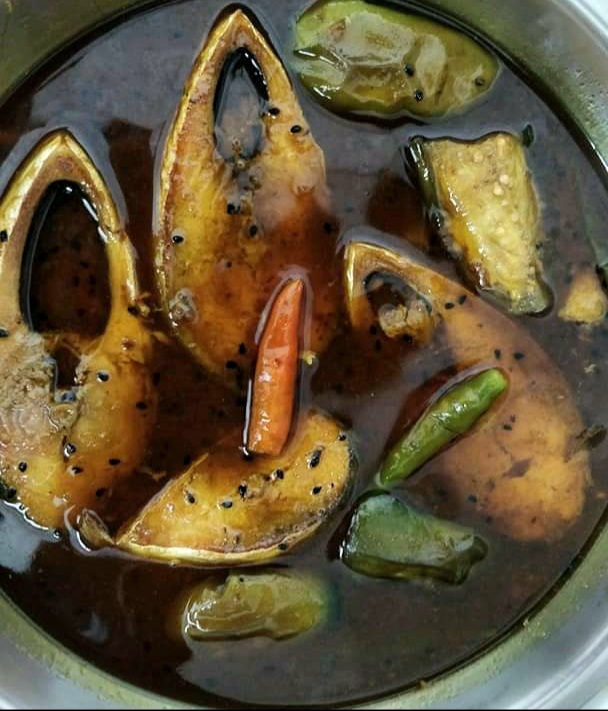
Today when I was cooking Ilish and saw my husband eat it to his heart’s content, Maa’s satiated face flashed before me. An uncomplicated yet divine concoction of Aubergine and Hilsa, the flavour of kalo jeere and the freshness of turmeric; this Tel Jhol is a piece of heaven for your taste buds.”

Ingredients:

  1. Kalo jeere/Kalonji/Nigella seeds: 1 tbsp
  2. Aubergine: 1 nos. (Sliced vertically)
  3. Hilsa Fish: 4 pcs.
  4. Turmeric: 3 tsp
  5. Salt to taste
  6. Green Chilly: 6 nos.
  7. Mustard Oil: 1/2 cup

Recipe:

  1. Smear the aubergine and the fish with turmeric and salt.
  2. Lightly fry until they are slightly golden, separately in mustard oil.
  3. Keep both aside in a bowl.
  4. In the same pan, add the nigella seeds and let it sputter.
  5. Add the green chilies and fry it lightly.
  6. Meanwhile make a paste of turmeric, salt and a dash of warm water and add it to the pan.
  7. Once the raw smell is gone, add warm water and let it boil.
  8. Add the eggplants and let it boil for 5 minutes. Once the gravy is to the desired consistency and oil starts separating from the sides, add the fried fish.
  9. Let it simmer for 5 more minutes.
  10. Pour a extra dash of mustard oil to give that strong, pungent taste.
  11. Serve hot with rice.

If you liked this recipe and want to see more of this mother-daughter duo, don’t forget to reach out to us at rannabaati00@gmail.com and our Instagram Handle @rannabaati by Oliva Das. We look forward to your requests and feedback!
A Rajput Rasoi and its legacy – Jodhpuri Laal Maas

Laal Maas

The cuisine of India is not circumscribed to its physical boundaries. It has its influences from the royal dynasties, explorers and the families that made it their homes. Likewise, Rajasthani cuisine is a gastronomic journey of the legacy that is buried in the sand dunes of Thar and hidden in the nooks and crannies of the old palace windows.

“O Kesariya Balom Aaonee, Padharo Maarhe Des”

There is more to Rajasthan’s desert town, Jodhpur than the picturesque indigo-painted, ink-spilled buildings and its legendary fables and folklore – its cuisine. The confluence of Mughal and Rajput cultures post the marriage of Jodha and Akbar led to the influence of non-vegetarian (especially mutton) food in Rajasthan and gave us a 100-year old world-famous dish – Laal Maas.

I first had Laal Maas on my solo trip to Jaipur at Handi Restaurant and have been intrigued since. I made this dish a week back on A’s birthday and wanted to get it right and perfect. So I started researching on Laal Maas (and the rest of the Rajasthani cuisine) through food documentaries, vlogs, legacy tales and recipes from the kings the royal palaces of Rajasthan.

Did you know that the women were never allowed to cook meat in their Janana Kitchen? It was only the men in the house who cooked meat until the Queen Mother of Jaipur, Maharani Gayatri Devi originally hailing from Cooch Behar in West Bengal brought her staff and inaugurated a Bengali Kitchen in the palace where they incorporated women cooking meat.

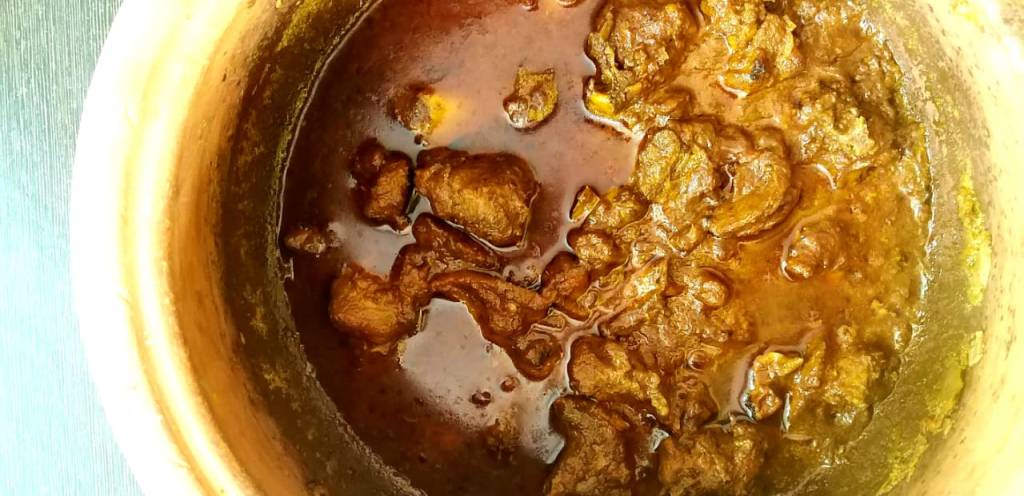
I have also rummaged through the recipes of Laal Maas from the cook of a famous roadside restaurant to the royal chefs from the palaces and concluded that everyone claims their recipe to be authentic. I have incorporated the best of all worlds in my recipe and decided to make it with the best of preparation with a 24-hour marination, slow cooked tender goat meat in ghee with home-made yogurt, Mathania chilies brought all the way from Jaipur and smoked with charcoal.

Ingredients:

  1. Mutton: 500 gms
  2. Mathania chilies: 10 nos (Boiled for 20 mins and blended into a smooth paste)
  3. Degi mirch: 4 nos (Boiled for 20 mins and blended into a smooth paste)
  4. Garlic paste: 4 tbsp
  5. Ginger paste: 3 tbsp
  6. Ghee: 1 cup
  7. Garam Masala Powder: 4 tbsp (Roasted cloves, cardamon, cinnamon, cumin, pepper, coriander seeds, kabab chini dry-roasted in a pan and coarsely grounded)
  8. Bay Leaves: 2 nos.
  9. Cardamon: 2 nos.
  10. Cinnamon: 2 nos.
  11. Onions: 2 nos. (Thinly Sliced)
  12. Garlic: 5-6 pods
  13. Yogurt: 1 cup (Whisked until smooth)
  14. Kashmiri Chili Powder: 2 tbsp (Originally not used, optional)
  15. Turmeric Powder: 1 tbsp
  16. Salt to taste
  17. Charcoal: 1 nos.
  18. Mustard Oil: 2 tbsp (For marinating)

Recipe:

  1. Marinate the mutton pieces with ginger-garlic paste, yogurt, garam masala powder and mustard oil and keep it in the fridge overnight. I kept in for for 24 hours and the mutton turned out to be really tender after cooking but it is absolutely optional. Do not forget to massage the meat pieces thoroughly with the marinade.
  2. Place a clay pot over the stove under a wired grill (usually used for making roti) and add ghee in it.
  3. Once it is hot, add bay leaves, cardamon and cinnamon and let it sputter.
  4. Remove the excess marinade from the mutton and fry them in ghee for 10 mins.
  5. Add the onions and garlic and fry everything for another 15 mins in medium flame until it is lightly browned.
  6. Add ginger garlic paste, turmeric, red chili and garam masala powder and fry everything together until the raw smell disappears.
  7. Add all the blended chili paste and cook until the oil start separating from the sides.
  8. Add the water in which you boiled the chilies if the masalas dry out.
  9. Cook the mutton until it is 95% cooked and tender. This might take up to 30 mins more.
  10. Add the beaten yogurt and mix it in a low flame to prevent it from curdling.
  11. Add warm water or warm mutton stock to your desired consistency and let it cook until the meat is completely tender.
  12. Served hot with Khameeri/Khooba/Rumali Roti or Steamed Basmati Rice.

If you liked this recipe and want to see more of this mother-daughter duo, don’t forget to reach out to us at rannabaati00@gmail.com and our Instagram Handle @rannabaati by Oliva Das. We look forward to your requests and feedback!
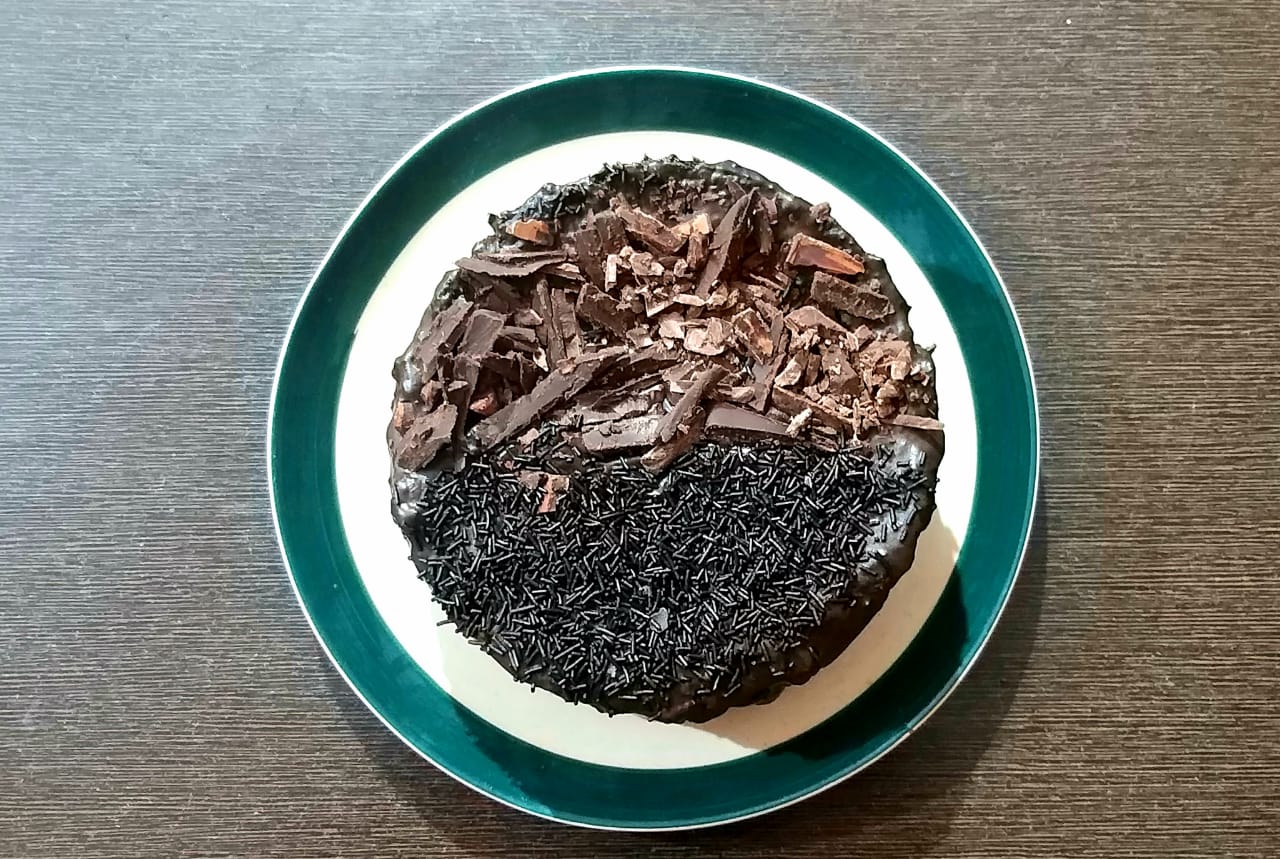
Quarantine Birthdays – Dark Chocolate Whiskey Cake

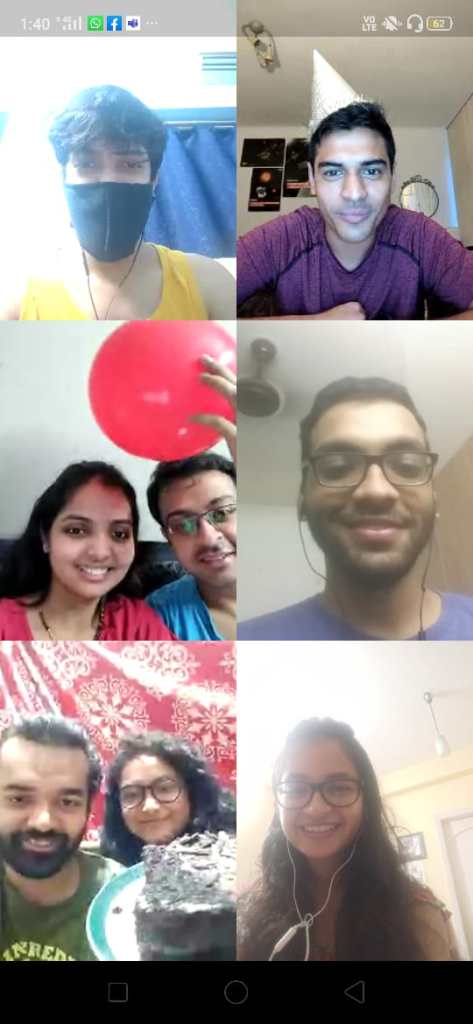
So it is Aman’s birthday today and it is quite surreal to celebrate during the Pandemic Times. Surprise midnight visit by friends holding balloons reduced to Whatsapp Calls and drunk parties at a pub get remotely replicated with a whiskey peg (or two) or a glass of wine, Pink Floyd playing at background. No one smearing cake on your face or giving you birthday bumps because “Hey! No touching!”. Home-baked cakes and nice lunches instead of quintessential drive-by parties at a restaurant. However, this has been one CRAZY year and this will be one birthday tale to talk about to your children!

Birthday video calling with the close ones

With the outing plans in a pigeonhole, I was opting for a humble celebration but delighting him with things that I am (okay-ish) good at: Cooking! I had it all in mind: what to cook on his birthday, saw food documentaries for 4-5 days straight to derive with the perfect recipes, marination ideas etc. But, what about the cake?

If you didn’t know already, I suck at desserts. No, sorry. I suck at it. I am extremely comfortable baking/ making something sweet because I do not have a sweet tooth. But yknow, there are two things I exceptionally like: Bitter Dark Chocolate & Whiskey.

So I decided to bake a cake. Without a microwave/OTG/Blender/Parchment Paper/Baking equipment. The thought now gives jitters to my stomach but I guess I managed alright. Two breakdowns in between, but hey! The cake turned out really moist and chocolaty good.

So I made it in a saucepan.

Don’t flip out. It works. The ones you boil milk in.

Stay put. I am not going to blabber anymore. I will write my recipe down here.

But before everything else,

HAPPY FREAKING BIRTHDAY, AMAN!!

Ingredients:

  1. All-purpose flour: 1.5 cups
  2. Cocoa Powder: 1 cup
  3. Salt: 1 tsp
  4. Baking Powder: 1 tbsp
  5. Baking soda: 0.5 tbsp
  6. Whiskey: 60 ml (Preferably Baileys)
  7. Pineapple essence: 2 drops (Optional)
  8. Instant coffee powder: 2 tbsp (I used a double-mocha flavoured one)
  9. Vanilla Essence: 1 tbsp
  10. Refined Oil/ Melted Butter: 1 cup
  11. Sugar: 1 cup (Grounded into fine powder)
  12. Eggs: 3 nos.
  13. Cream: 1/4 cup
  14. Milk: As required to bind the batter
  15. Parchment/Butter Paper/Any white paper brushed with oil/butter: Cut it into the desired circle to fit the saucepan
  16. Chocolate chips: As required (Optional)

For the decoration:

  1. Cream: 1/4 cup
  2. Dark Chocolate: 1 large bar
  3. Cocoa powder: 4 tbsp

Recipe:

  1. Sieve flour, cocoa powder, salt, baking powder and baking soda into a bowl.
  2. In a cup, mix whiskey, pineapple essence, coffee and vanilla essence.
  3. Mix powdered sugar and refined oil till it is smooth. I used a mixer grinder but if you have hand grinder you can use it.
  4. Added the eggs in the mixture and blended it further.
  5. In the wet ingredients, I added the dry ingredient mixture and the whiskey liquid alternatively in batches and mixed them as it went.
  6. Add cream and mix again. Add milk to dilute the mixture if necessary.
  7. Added the chocolate chips and mixed all together for a gooey texture.
  8. Cover the saucepan in parchment pan and brush it with oil and refined flour inside and outside. Pour the mixture in it.
  9. For baking, I used a large flat pan and place the saucepan over the pan and cover with a lid.
  10. Once the pan is hot enough, keep adding water on the pan and keep it for an hour or till the skewer in the cake batter comes out clean. That’s when you know it is done.
  11. Turn off the gas and keep the lid closed for 15 mins.
  12. To make the chocolate ganache, lightly simmer fresh cream and pour it over the dark chocolate and cocoa powder mixture. Blend it till thick and smooth.
  13. Cool the cake down in refrigerator or under a fan before pouring the ganache.
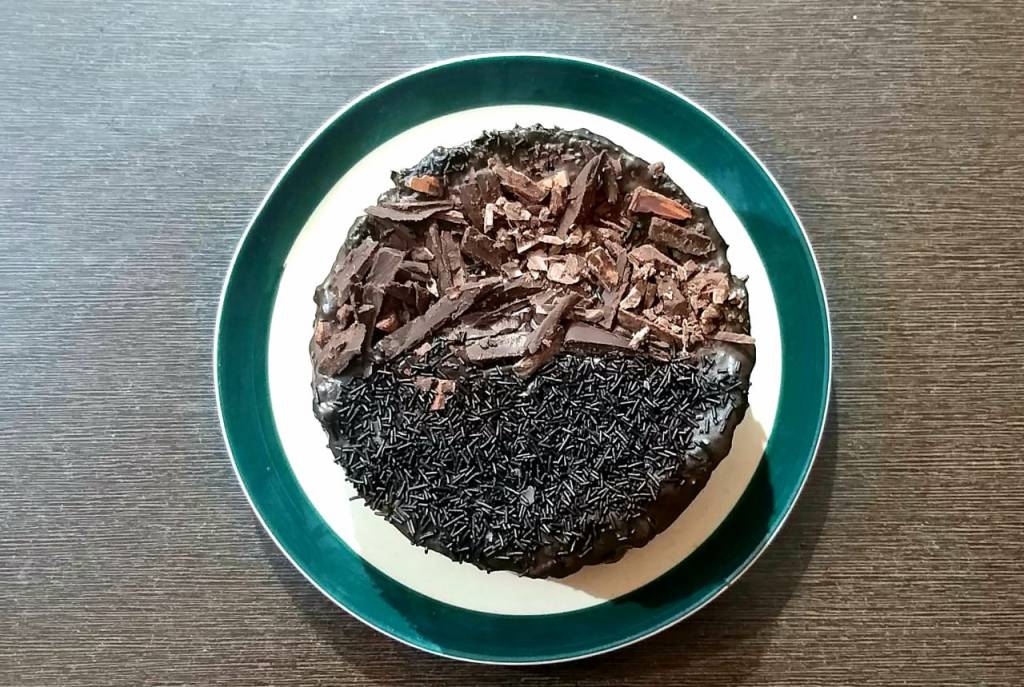
  14. Layer the chocolate ganache. I topped one half with dark chocolate shavings and other half with chocolate sprinkles.
  15. Your cake is ready!

If you liked this recipe and want to see more of this mother-daughter duo, don’t forget to reach out to us at rannabaati00@gmail.com and our Instagram Handle @rannabaati by Oliva Das. We look forward to your requests and feedback!
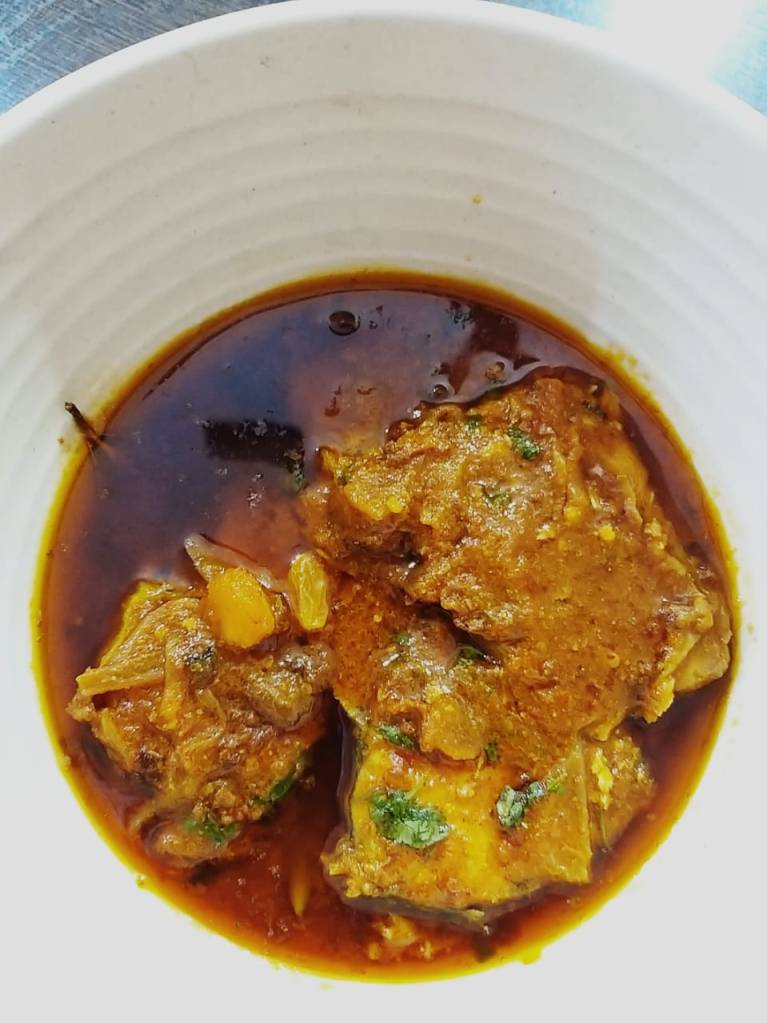
Biye-Barir Showstopper – Rui Maacher Kalia

If you’re a Bengali or an Assamese, you have already attended at least one wedding serving a rich lustrous Rui Maacher Kalia on plastic square bowls to devour with Kaju-Kishmish Polao. When I was 10-11 years old, you know, that childhood phase, buffets rarely existed in small towns. In Tezpur, mostly there were catering services who’d have an army of caterers dressed in a uniform of white shirts and blue/black pants serving us the food. Attending wedding ceremonies meant coordinating pretty dresses with your numbered friends in the neighbourhood (secretly hoping to outnumber the others), a jittered stomach from all the excitement to meet friends outside school looking normal (without school uniforms), holding hands and dragging one another to manage seats together for the khabar-dabaar and displease the serving person to serve us all the peti piece.

I do not have to tell you the favouritism of Peti piece aka the stomach portion of the Rui/Katla. Fleshy, fatty and most importantly less bones – this is what got us romanticizing the peti since childhood. The best utilization of a peti can be a maach bhaja aka fried dish. Hands down! Now debate me, Sharon but I will fight you down (laughs). The best kind is the one which is freshly cut from the local fish market, had just before lunch (while anticipating for it) when Maa slids in a korkore (crispy) peti maach bhaja before the kalia preparation with a small bowl of rice while you are watching TV. A layer of crispy skin on top, a good fatty end that melts into your mouth in a bite, piping hot rice with the maach bhaja’r tel (the flavoured oil from the fish fry), a pinch of salt and one green chilly to take bites with every morsel. Now you know I am talking about.

It has been ages since I have attended a wedding. Staying away from home for 8 years now, attending weddings have now been a once-in-a-blue-moon affair. However, I decided to make a not-so-humble Rui Maacher Kalia for lunch today.

An oily, dark, rich, sweet and spicy preparation of Rui Maacher Kalia is all you need to transport you to the childhood memories of Bengali/Assamese weddings.

Ingredients:

  1. Fish pieces (Katla/Rui): 500 gms
  2. Onion: 2 nos. (Julienne)
  3. Onion paste: 1 nos.
  4. Ginger Garlic Paste: 2 tbsp
  5. Green Chilly Paste: 2 tbsp (Optional, if you like more heat)
  6. Red Chilly (Boiled and blended): 5 chilies nos. (I have used Mathania chilies, you can use any red chilly that gives colour)
  7. Tomato: 1 nos. (Cubed)
  8. Curd: 1/2 cup (Whisked until smooth)
  9. Raisins: A handful (10-12)
  10. Red chilly: 1 nos. (Dry)
  11. Green Chilly: 5 nos.
  12. Bay leaf: 1
  13. Cloves: 3
  14. Green Cardamon: 3 (lightly crushed)
  15. Cinnamon: 1
  16. Turmeric powder: 1 tbsp
  17. Cumin powder: 1 tbsp
  18. Coriander powder: 1 tbsp
  19. Kashmiri Red Chilly Powder: 1 tbsp
  20. Garam Masala Powder: 1 tbsp
  21. Mustard oil: 1/2 cup
  22. Sugar: 2 tsp
  23. Salt to taste
  24. Coriander: A handful (Optional, finely chopped)

Recipe:

  1. Smear the fish pieces with turmeric and salt and keep it aside for 15 mins.
  2. In a kadhai, fry them until they are golden in mustard oil. Be careful not to over fry them as we are using them in gravy and it has to stay slightly moist and juicy.
  3. Keep the fried fish aside (eat one or two or all if you are tempted, I won’t judge).
  4. In the same pan, temper with bay leaf, cinnamon, cloves, cardamom and a dry red chilly and let it sputter.
  5. Add the sliced onions and sugar to crystallize the onions for a darker colour.
  6. Add the onion-green chilli paste and let it cook for 2 mins. Add the ginger garlic paste and cook till the raw smell is gone.
  7. Add the dry masalas and cook them for 4 mins.
  8. Add the tomato and let it melt. Cook everything till oil starts separating from the sides of the pan.
  9. Add the red chilly paste, green chilies and mix everything together.
  10. Let it cook with lid covered for 5-10 mins.
  11. Stir in between to avoid burning.
  12. Once cooked, add warm water, raisins salt and a pinch of sugar and mix everything well.
  13. Gently place the fish pieces and let the gravy simmer for 5-10 mins depending on your choice of consistency.
  14. Add a pinch of garam masala at last and give it a mix.
  15. Garnish with chopped coriander and serve hot with any steamed/ pulao rice preparation.

If you liked this recipe and want to see more of this mother-daughter duo, don’t forget to reach out to us at rannabaati00@gmail.com and our Instagram Handle @rannabaati by Oliva Das. We look forward to your requests and feedback!
Khar – An alkali that inaugurates an Assamese meal

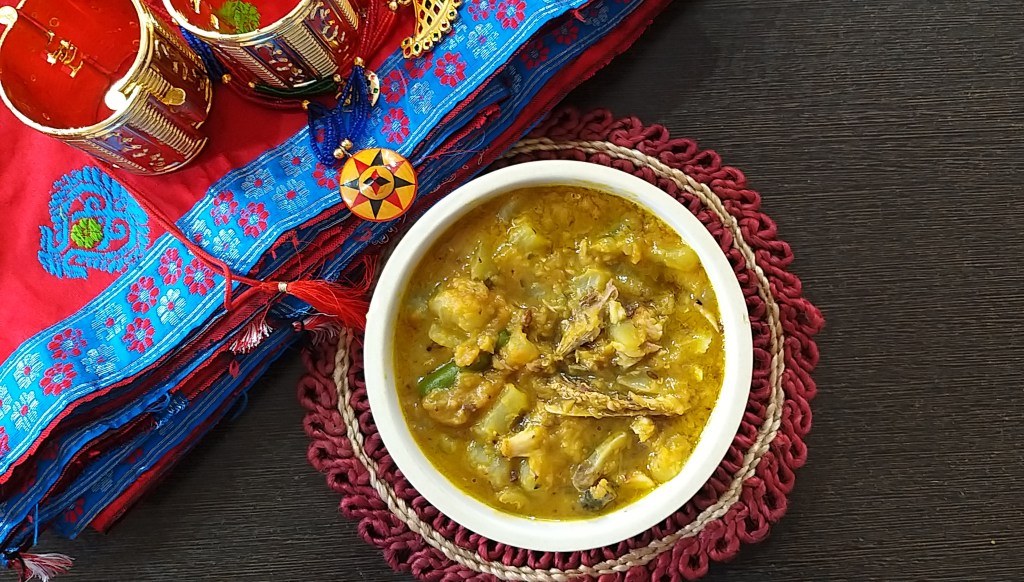
Maasor Mur di Amita Khar (Assamese Papaya Khar with Fish Head)

Assam is a land of various ethnic groups and culture, hence their food habits are diverse from something as simple as Guti Aloo Bhaji (Baby Potato Fry) to Muga Leta Fry (Silk Worm Fry). Khar is one such ingredient that is used in Assamese cuisine and it is unique to the Indian meals we usually know of. Khar is prepared by burning the skin of a banana called Bhimkol (a seeded variety of banana) and filtering out the ashes of the skin of the banana. Best thing about Khar is it can be preserved in glass containers and used for months. It is believed to be a palate cleanser and eaten in the beginning of a meal.

The history of Khar traces long back to the medieval ages. The supply of rock salt used to be coming from the Naga and Mishimi hill tribes of eastern territories who in turn collected it from the hills there. However frequent wars in the political fronts among royalty of Assamese and Naga territories almost regularly disturbed such supply leading to crisis of this commodity. Only influential people & aristocrats could afford to possess salt. The commoners had to be satisfied with home-made crude alkaline substances instead of salt.Thus derogatory use of the term Kharkhuwa can be attributed to these circumstances separating the commoners from the aristocrats of medieval Assam. A popular Assamese adage “lune… sune samaan” meaning Lun (Salt) and Sun (Gold) are equal also signified that salt used to be very costly and thus had to be substituted with Khar by majority people in the lower strata of economy.

As time changed, the kingdoms and royalty, the aristocracy disappeared; abundant supply of salt from other sources of various regions arrived and became easily available to all. However, use of Khar in the Assamese cuisine becomes permanent and so thus the use of the term Kharkhuwa still persists signifying a characteristic food habit of native Assamese people. (Source: Wikipedia)

For a cuisine that mostly uses acidic substances to elevate their dishes, Khar is a game changer rising from the ashes, literally. Khar is generally used with mushy, wet vegetables to go with and with fish heads to enhance its flavour to an optimum level. You can also use stir-fried vegetables from the leftovers last night or pulses to go with, add salt and chilies and some khar and Viola!

Today, Nabanita and I cooked Omita Khar, a Khar variety with Papaya. We did not have Bhim Kol (Bhim Banana) in our cities and had substituted it with another alkali substance, Baking Soda (Yes, that’s legit and we found it in a lot of recipes).

Let’s have a look at the recipe.

Ingredients:

  1. Papaya: 1/2 nos (Skin peeled, Cubed, chopped)
  2. Fish head: 1 (Fried, hammered to form small pieces)
  3. Masoor Daal (Red Lentils): 1/2 cup
  4. Paanch Furon (Indian Five Spice Blend: Cumin, Brown Mustard, Fenugreek, Nigella and Fennel): 1 tbsp
  5. Ginger Paste: 1 tbsp
  6. Mustard oil: 4 tbsp
  7. Khar/ Baking Soda: 2 tsp

Process of Making Khar:

  1. Completely sun dry the Bhim Kol Banana Peel.
  2. Burn the dried peel over a gas stove and a medium flame.
  3. Collect the ashes and mix with water to settle down overnight.
  4. The ashes will settle down in the bottom and we can filter the khar using a muslin cloth and use the strained water which is the Kola Khar.

Recipe:

  1. In a pressure cooker, add the cubed papayas and dal with water and boil it for 2 whistles.
  2. After it is done, drain the excess water.
  3. In a pan, add 2 tbsp of mustard oil and add paanch furon and fry until they crackle.
  4. Add the papayas and dal and then add ginger paste, salt. Mix well and let it cook for 10 mins.
  5. After everything is blended well and the papayas are well cooked, add baking soda/khar and mix well.
  6. Add the fish head and mix it well.
  7. Add a dash of mustard oil and serve hot with rice.

If you liked this recipe and want to see more of this mother-daughter duo, don’t forget to reach out to us at rannabaati00@gmail.com and our Instagram Handle @rannabaati by Oliva Das. We look forward to your requests and feedback!
From Assam, With Love.

Nabanita and I have a frequent conversation over Instagram DMs on Assamese cuisines and its likes. One day, she turns up to me and says, “Why not cook something together; something from your state?” I happily agreed. What are the chances someone pushes you to make something that takes you back to all the simple, soulful food that I used to have at local Assamese restaurants (Baideu Hotel in Biswanath Chariali, Spring Valley Breakfast, Samaroh Dhaba, Tripti Rehaz in Nagaon) or at my friends’ places.

I am a Bengali-speaking Assamese and growing up, I rarely incorporated Assamese cuisine in my eating habits. On Sundays, when Dad was free and Maa goes, “I don’t feel like cooking today!”, we used to head out my 11 a.m. on long drives, driving through the paddy fields in the outskirts of Tezpur, stop in between to take photos of mother dear with digital cameras (We didn’t have camera phones then), my Dad patiently clicking them with unique pose ideas because I guess, he just used to love to see Maa getting excited for the pictures. Meanwhile, I sulked in the car for unnecessary time consumption, eat a bar of Dairy Milk that I bought on the way and listen to “Crazy Kiya Re” inside the car.

After travelling for 1.5 to 2 hours, we used to reach a dainty town called, “Biswanath Chariali”, head straight to Baideu Hotel for our lunch. Baideu (meaning “elder sister” in Assamese) Hotel was always congested during weekends, there are 5-6 thalis coming in for each family in an entire tray, Baideu managing the cash counter and simultaneously greeting everyone with a smile,

“Aaru kiba lagibo naki apunalokor?”

“Do you need something else?”

We always needed something else.

A vegetarian thali with xaak (saag), khar (alkaline appetizer), aloo bhaji (potato fry), aloo pitika (mashed potato), maati maahor daali (lentil soup), assorted chutney, papod, paayokh (rice porridge) etc. Accompanied with the thali, we used to order Dad’s favourite, maangxo (tender goat curry), Maasor tenga (Light tangy fish curry), Paaro Maangxo (Pigeon meat curry).

After a hearty meal, we used to head back to Tezpur after a vegetable and fish shopping from Sunday Haat which took an hour long while I used to do my usual, park myself in the back seat, wait for my parents in disgust while I eat another bar of chocolate and listen to songs in the car. On the way home, Baba used to pull a cliche without fail like any other Bengali Dad,

Onek ghurli Maa. Kal ke thike abaar school aar porashona. Shokale uthish!”

“We have enjoyed enough today. You have school tomorrow, remember that! Don’t wake up late!”

Isn’t that every Dad ever?

Over the years, I have explored Assamese cuisine through Assamese friends’ invitations (shoutout to Vanita’s Mom for her delicious Paaro Maanxo), restaurants in Assam and Assamese meetups in Bangalore and Bhubaneswar and my love for the cuisine has only grown and how!

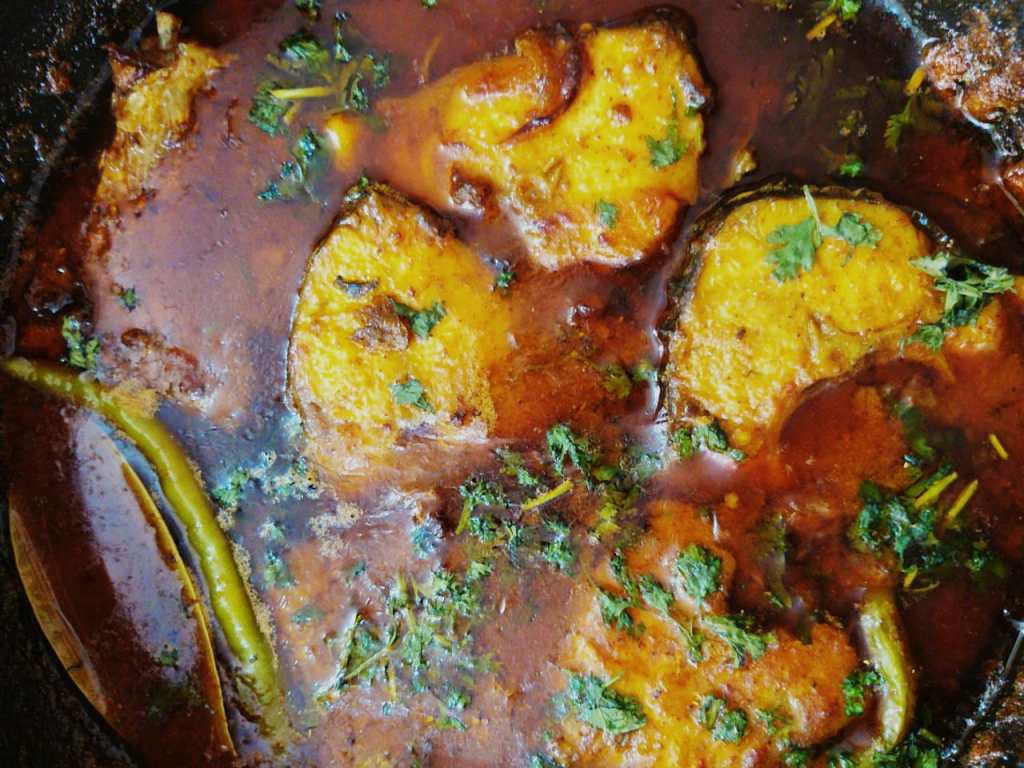
So, a few days before when Nabanita told me that we should cook an Assamese together, I immediately gave her a “yes”. I had Katla Fish in my freezer and I thought let’s go with Maasor Tenga. This recipe is an amalgamation of recipes taken from my friends’ mothers (Banjita and Priom) and I hope you love it!

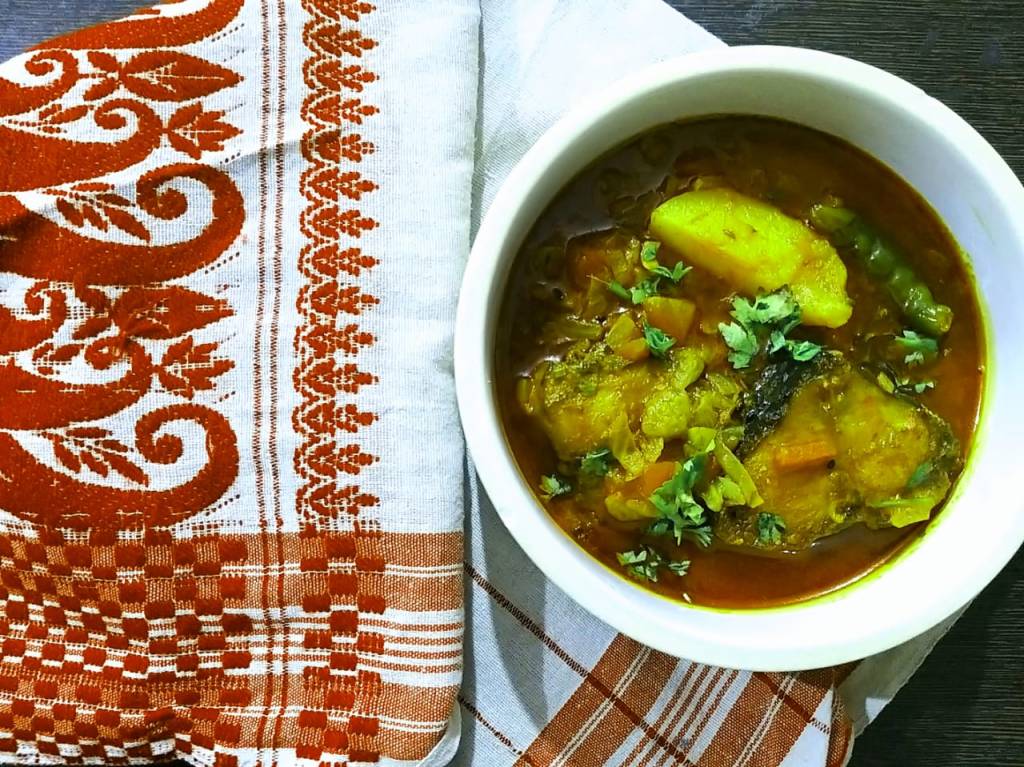
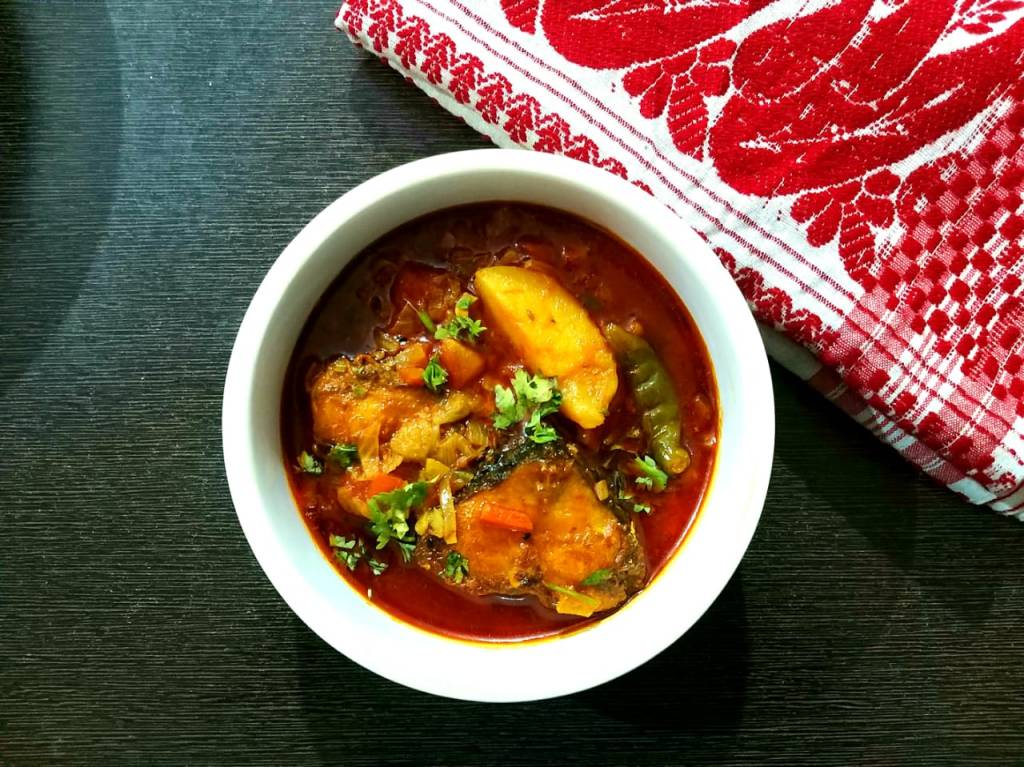
Maasor Tenga is light, tangy, freshly incorporate with tomatoes and “panch furon“, the showstoppers of the dish and best had in summers with steamed rice.

Ingredients:

  1. Mustard Oil: 6 tbsp
  2. Paanch Furon (Indian Five Spice Blend: Cumin, Brown Mustard, Fenugreek, Nigella and Fennel)
  3. Bottle Gourd: 1/4th (Chopped) – Optional
  4. Fish: 4 pieces
  5. Onion: 1 nos. (Chopped)
  6. Tomatoes: 3 nos. (Chopped)
  7. Potato: 1 nos. (Slit cut)
  8. Green chilly: 4 nos. (Slit cut)
  9. Turmeric: 2 tbsp
  10. Salt to taste
  11. Red Chilly Powder: 1 tbsp
  12. Lemon Juice: 2 tbsp
  13. Coriander leaves (Chopped)

Recipe:

  1. Wash the fish pieces properly and smear it with salt and turmeric and fry them in mustard oil. Do not over-fry it.
  2. In the same kadhai, add paanch phuron and fry until they crackle.
  3. Add chopped onions and fry until they are golden yellow colour. Do not over-fry them as we want a light curry.
  4. Add potatoes and bottle gourd fry them lightly.
  5. Next, add the tomatoes, salt and turmeric and cook for 15-20 minutes until the potatoes are boiled and the tomatoes have become very soft. (Pro tip: You can boil the gravy in a pressure cooker for 2 whistles and transfer it to the pan again for the next process).
  6. Next add the fried fish and cook for another 5 minutes.
  7. Now here comes the best part. Add some red-chilly powder on top of the gravy and heat some mustard oil for the tadka. Once the oil is hot, add it over the red-chili powder and the gravy and give it a good mix.
  8. Once oil starts floating from the top, add chopped coriander and turn off the gas.
  9. Add lemon juice to the gravy if you want it sourer.
  10. Serve hot with rice.

If you liked this recipe and want to see more of this mother-daughter duo, don’t forget to reach out to us at rannabaati00@gmail.com and our Instagram Handle @rannabaati by Oliva Das. We look forward to your requests and feedback!
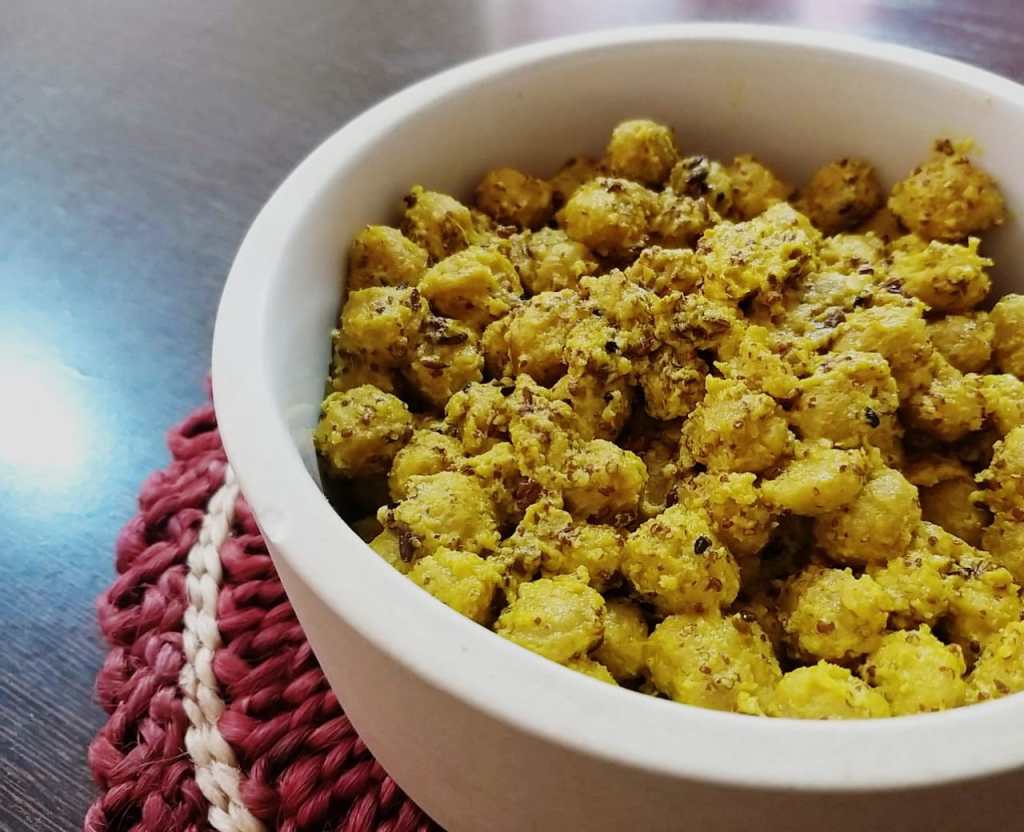
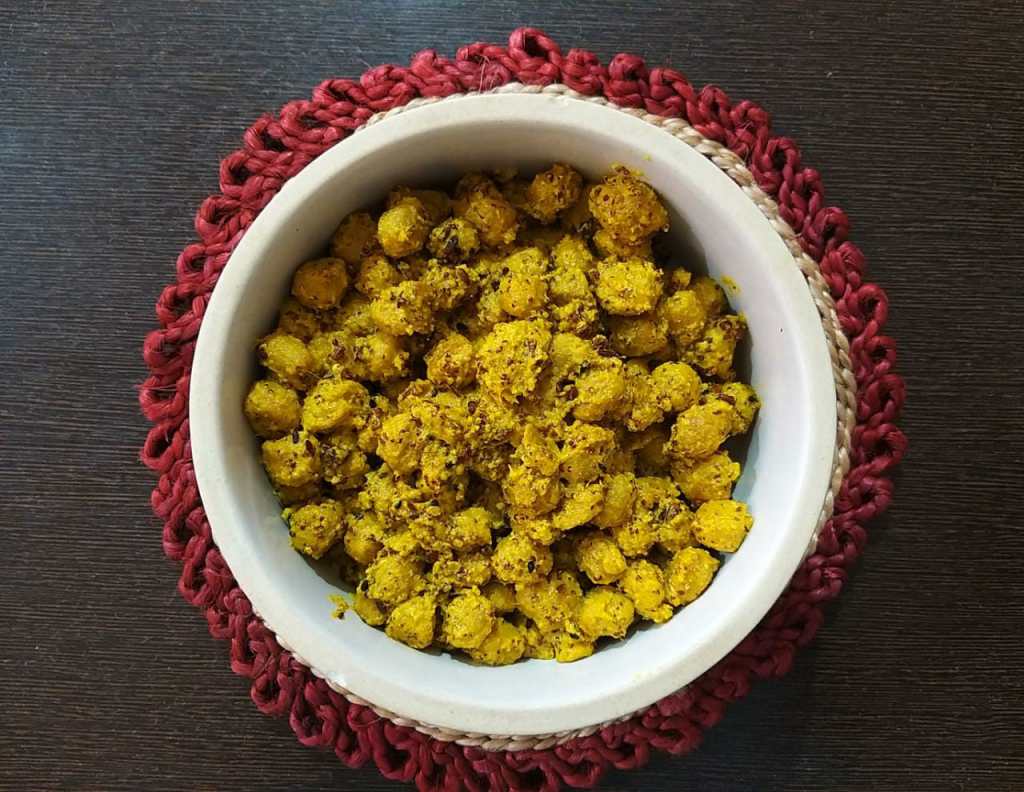
Shorshe Soyabean

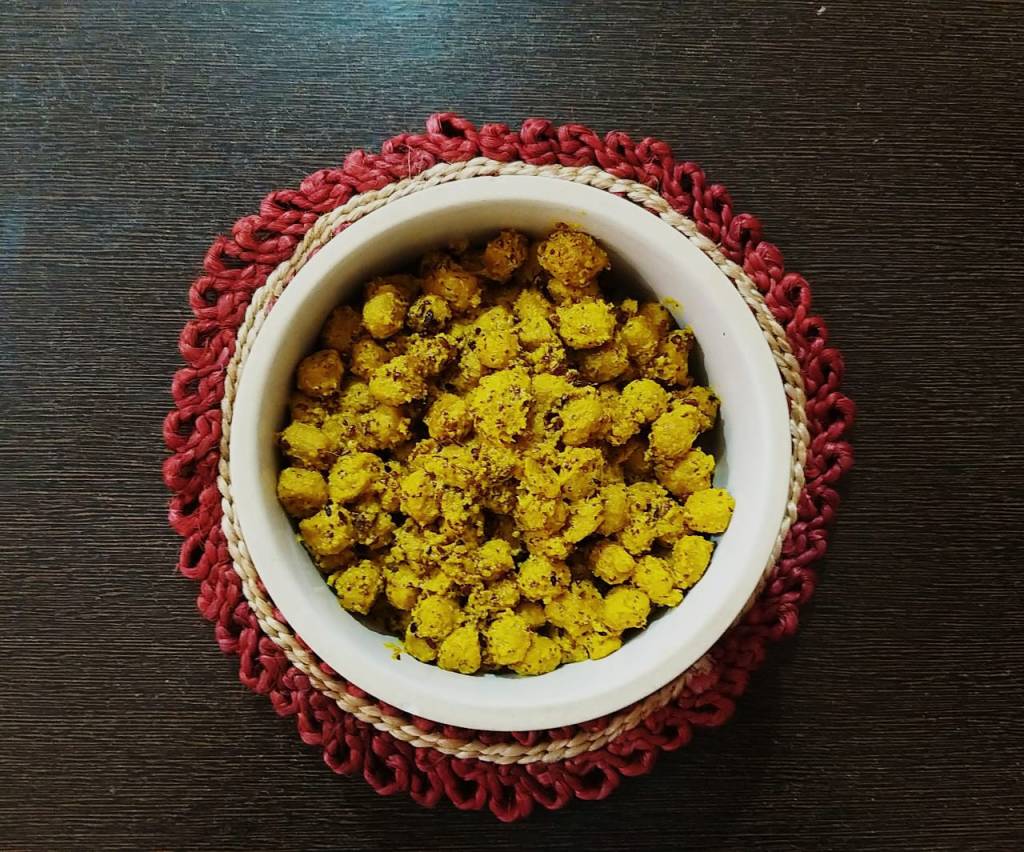
This easy and unique recipe forms a great accompaniment with lunch when you are running out of time and want to make something very quick. My mother used to make this and I would be amazed at how simple yet amazing this tastes; best suitable for a perfect vegeterian afternoon lunch.

Ingredients:

  1. Soyabean/ Nutella chunks: 1 cup
  2. Nigella seeds: 1 tbsp
  3. Yellow Mustard: 4 tbsp
  4. Black Mustard: 4 tbsp
  5. Salt to taste
  6. Mustard Oil: 4 tbsp
  7. Green Chilly: 2 nos.

Recipe:

  1. Boil the soyabean in a saucepan until it starts to float on top. Strain it and keep it aside.
  2. In a pan, put mustard oil and nigella seeds until it starts to crackle.
  3. Make a paste of yellow and black mustard and put it in the pan and fry it for 3-4 mins.
  4. Lastly, put the chilies and soyabean and mix everything well and cook it for another 5 mins.
  5. Serve hot with rice.

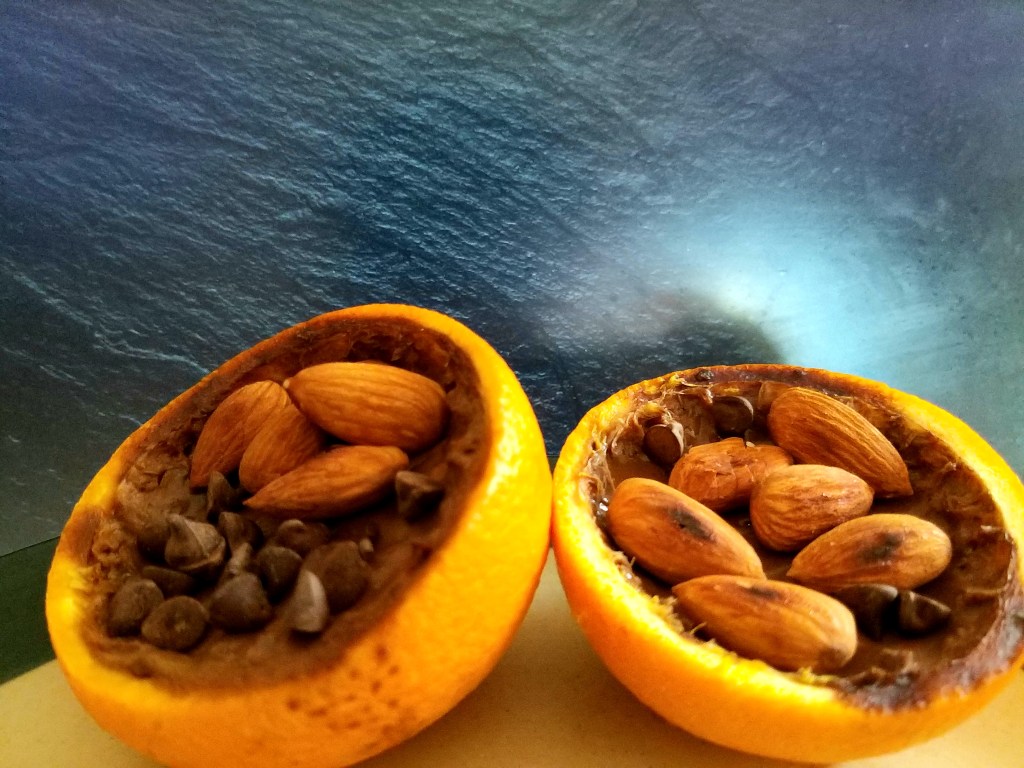
Dark Chocolate Orange Mousse Cups

The marriage of dark chocolate and orange is always happy song made in heaven.

This simple chocolate mousse recipe will melt into your mouth and can be experimented with things available in your pantry. I had one orange in my fridge for 2 weeks and had to use it before it went stale. Added chocolates that were half-eaten and viola!

Let’s have a look at the recipe.

Ingredients:

  1. Full Fat Cream (I used Amul Cream, you can use full-fat milk if you want): 3 tbsp
  2. Chocolate Chips: 2 tbsp
  3. Cocoa Powder: 2 tbsp
  4. Dark Chocolate: 3 cubes
  5. Drinking Chocolate: 2 tbsp
  6. Gelatine/Agar-agar: 1 tbsp dissolved in hot water
  7. Orange: 1 nos. (Pulp scraped to form cups, juiced and strained to avoid lumps)
  8. Almonds (Optional)
  9. Flavoured Coffee (Optional: I used Double Chocolate Mocha Coffee): 1 tsp

Recipe:

  1. Heat the cream with all the chocolate ingredients and coffee until it’s creamy. Drop the saucepan off the heat and cool it down for a minute.
  2. Mix the strained orange juice once it’s warm enough to touch it using your finger.
  3. Add the gelatin infused water, mix all of them and drop it into the orange cups.
  4. Keep it for 24 hours and serve with chocolate chips and roasted almonds.

If you liked this recipe and want to see more of this mother-daughter duo, don’t forget to reach out to us at rannabaati00@gmail.com and our Instagram Handle @rannabaati by Oliva Das. We look forward to your requests and feedback!
Design a site like this with WordPress.com
Get started